

Fashion month made its way through two of its most influential European capitals as Milan Fashion Week took place from September 22–28, 2026, followed by Paris Fashion Week from September 28–October 6, 2026, bringing the Spring/Summer 2027 season into focus.
Milan delivered a mix of Italian craftsmanship, expressive femininity, new creative leadership, and highly theatrical presentations, while Paris continued the conversation with major houses exploring everything from couture craftsmanship and sensual dressing to heritage, experimentation, and the future of luxury.
Together, the two cities offered an early look at the silhouettes, materials, colors, accessories, and creative directions likely to shape the year ahead.
Milan’s New Chapter: Fresh Creative Visions Take Center Stage
Milan Fashion Week arrived at an interesting moment for Italian fashion. The calendar featured 54 physical and six digital shows, with several major houses now entering their next creative chapters. While Milan had only one official creative-director debut this season—Loris Messina and Simone Rizzo at Moschino—the week also featured important collections from Maria Grazia Chiuri at Fendi, Meryll Rogge at Marni, and Demna at Gucci. The result was a season that felt less like a complete reset and more like a test of how these designers could establish their own identities within some of fashion’s most recognizable houses.
One of the clearest themes was the balance between heritage and everyday dressing. Prada focused almost obsessively on the skirt, exploring 63 different variations in proportion, material, and construction. Fendi under Chiuri approached the body through lingerie-inspired dressing, lace, embroidery, and layered textures. At Gucci, Demna continued to build his vision for the house, while Bottega Veneta and Jil Sander presented new creative directions of their own.
Prada, Fendi and Gucci Put Their Own Spin on the Season
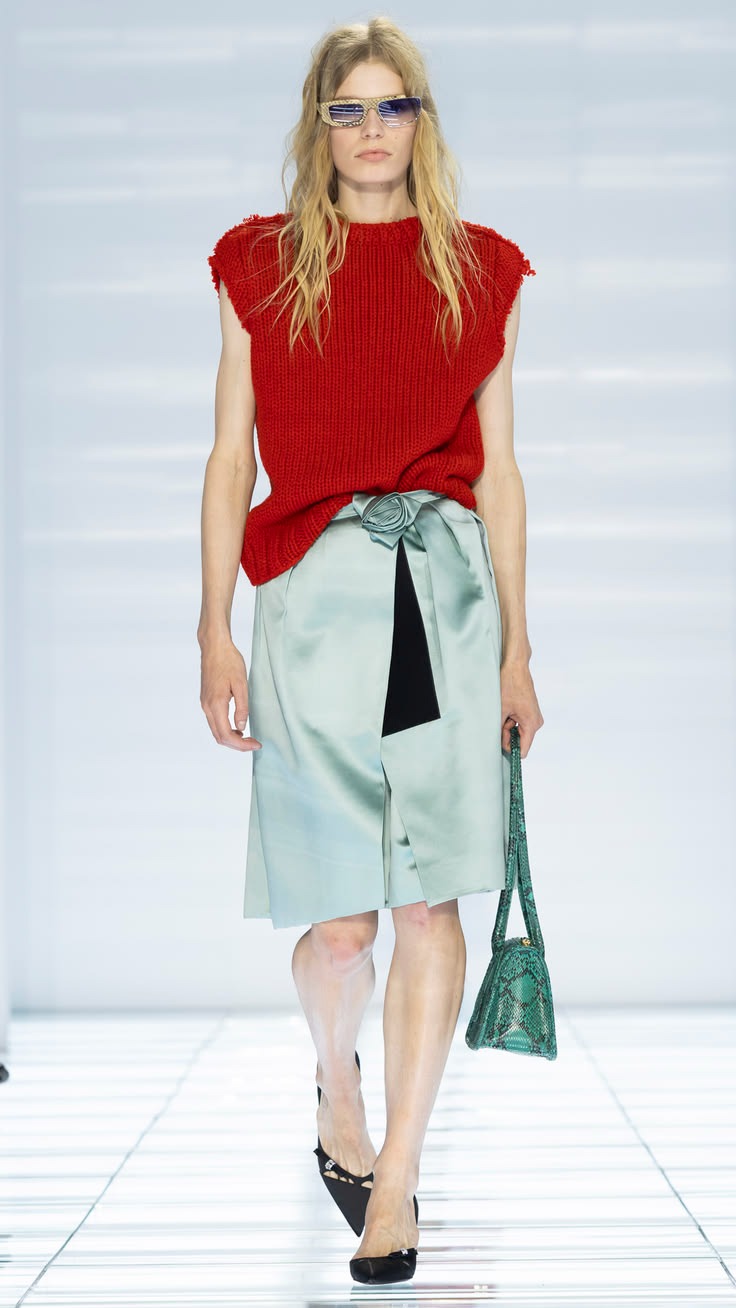
At Prada, Miuccia Prada and Raf Simons narrowed their focus to one of fashion’s most familiar pieces: the skirt. Instead of treating it as a supporting element of an outfit, the collection highlighted skirts as an object of design. Different lengths, materials, shapes, and styling combinations transformed what could have been a simple wardrobe staple into the central subject of the show. The collection’s attention to proportion reinforced Prada’s ability to make an everyday garment feel intellectually interesting without losing its wearability.
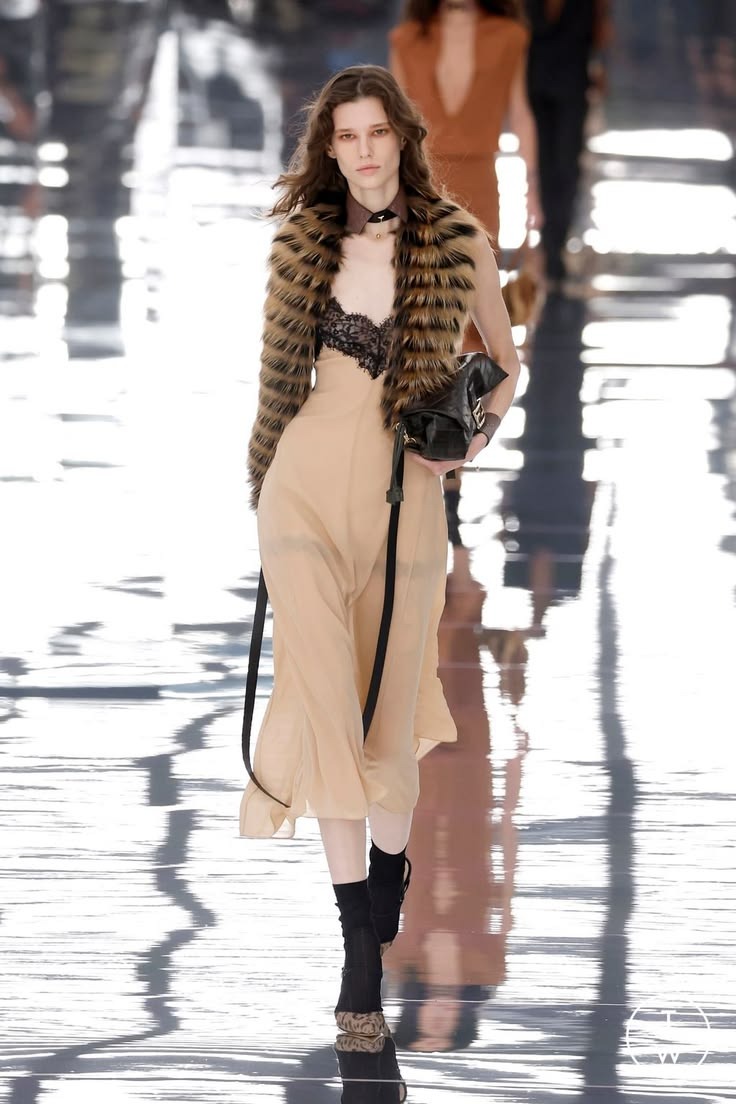
Fendi, meanwhile, marked Maria Grazia Chiuri’s second collection for the Roman house with a more intimate exploration of the body. Lingerie-inspired elements, lace, embroidery, sheer layers, and contrasting textures brought a boudoir quality to the collection, while tailoring and outerwear kept the looks grounded. The house’s famous bags remained important, with variations of the Baguette among the accessories that attracted attention. Chiuri’s approach suggested that Fendi’s next chapter could be built around the tension between structure and sensuality.
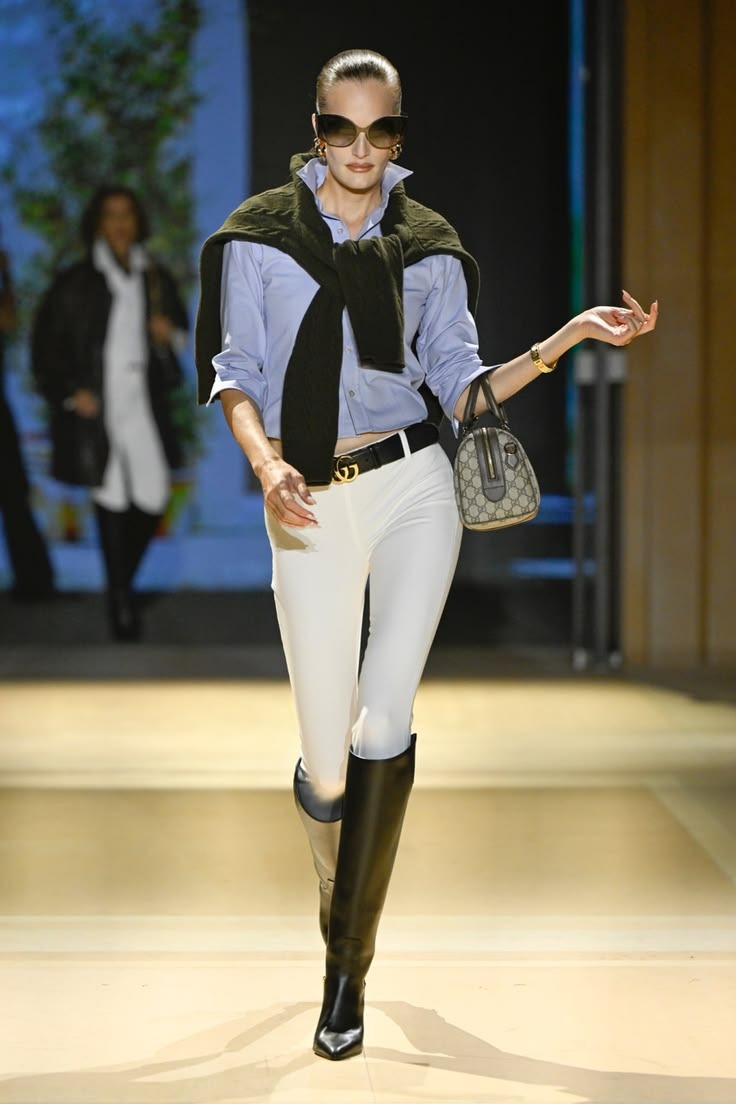
At Gucci, Demna’s second ready-to-wear outing was another major point of interest. Rather than relying solely on the spectacle traditionally associated with luxury runway shows, he staged the collection inside a reconstructed Gucci store, placing the clothes within a retail environment. The presentation helped emphasize the relationship between fashion as image and fashion as something people actually buy, wear, and live with. It was part of a broader Milan conversation about making luxury feel relevant to real life rather than existing only as runway fantasy.
Moschino Makes an Imaginative Debut
The most anticipated official creative-director debut in Milan belonged to Loris Messina and Simone Rizzo, the founders of Sunnei, who took over the creative direction of Moschino following Adrian Appiolaza’s departure. Their first collection was notable not only for the clothes but also for the way they presented them.
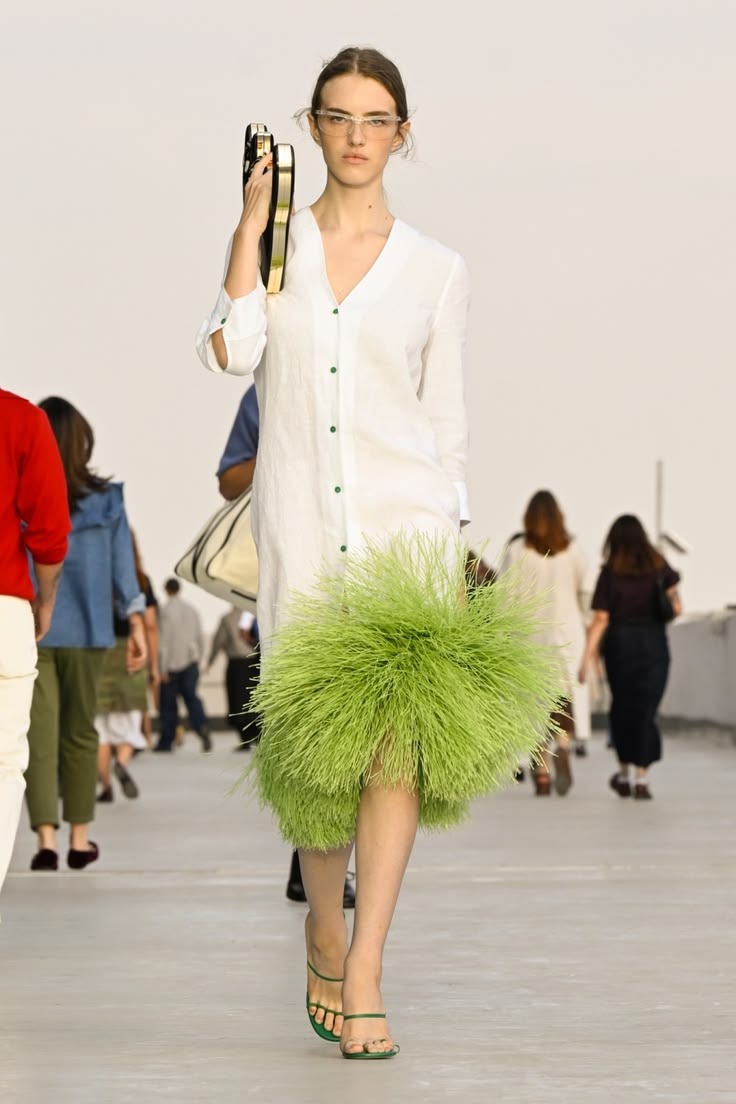
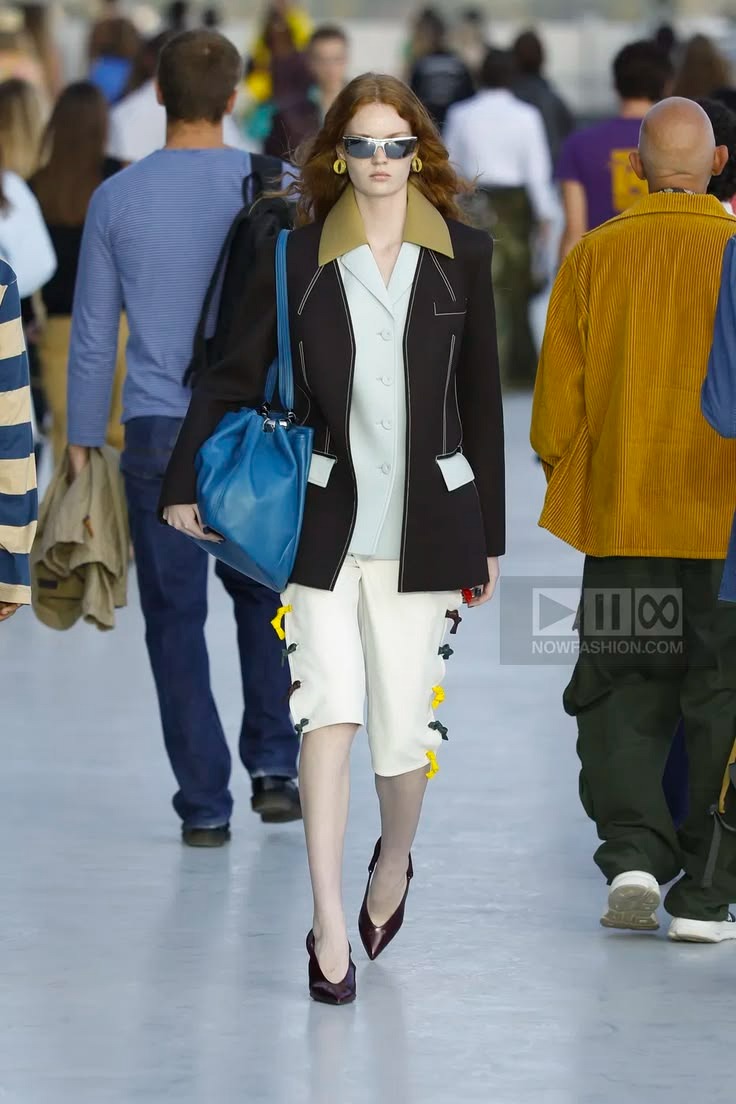
Instead of separating the runway from everyday life, Messina and Rizzo placed Moschino models in opposition to ordinary people walking through the space in their own clothing. The effect was deliberately familiar: fashion models moved through a setting that resembled everyday city life while people dressed in their own wardrobes became part of the same visual landscape. The concept reinforced the designers’ interest in the relationship between fashion and real life, making the collection feel less like an isolated fantasy.
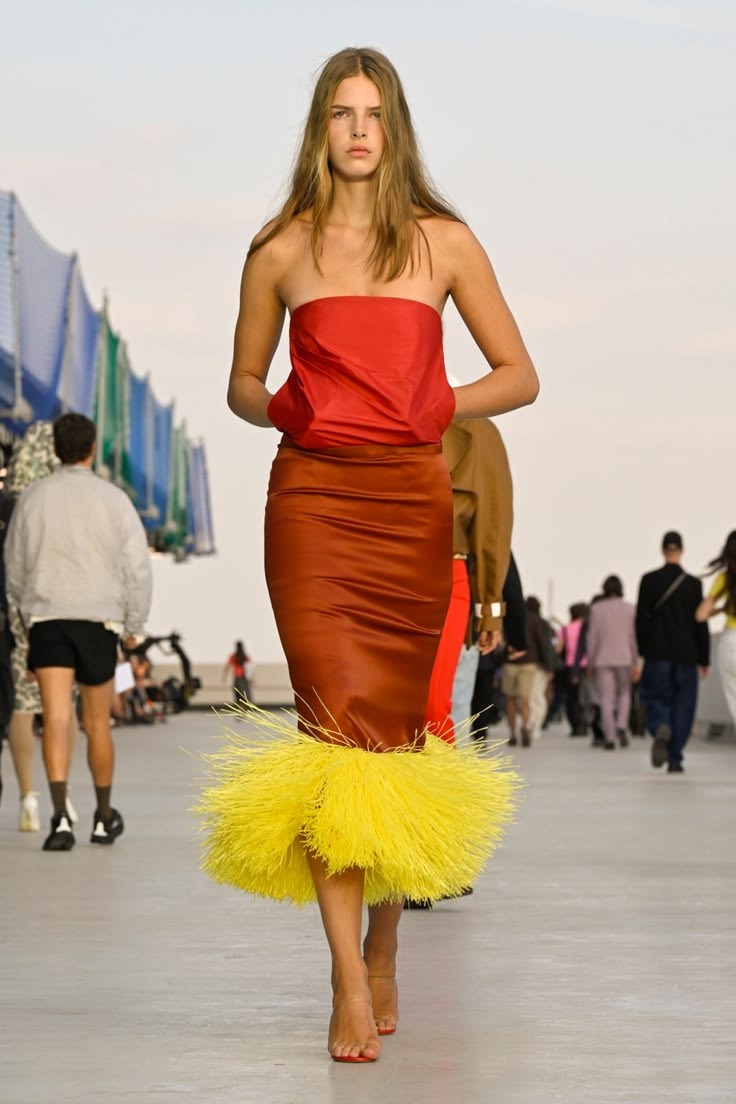
The Moschino debut also reflected one of the strongest ideas running through Milan: fashion does not have to choose between spectacle and practicality. For a brand historically associated with humor, irony, and theatricality, Messina and Rizzo’s debut suggested that the next chapter could be more connected to contemporary street life without losing Moschino’s playful spirit.
Milan’s Other Standouts: Marni, Bottega Veneta and Ferragamo
Beyond the headline-making houses, Milan’s Spring/Summer 2027 collections demonstrated just how varied the city’s fashion identity has become. Meryll Rogge’s Marni continued to develop her interpretation of the house through bold prints, mod-influenced silhouettes, mixed materials, and unexpected styling. Her approach maintained Marni’s eccentricity while establishing a vocabulary distinct from the brand’s previous eras.
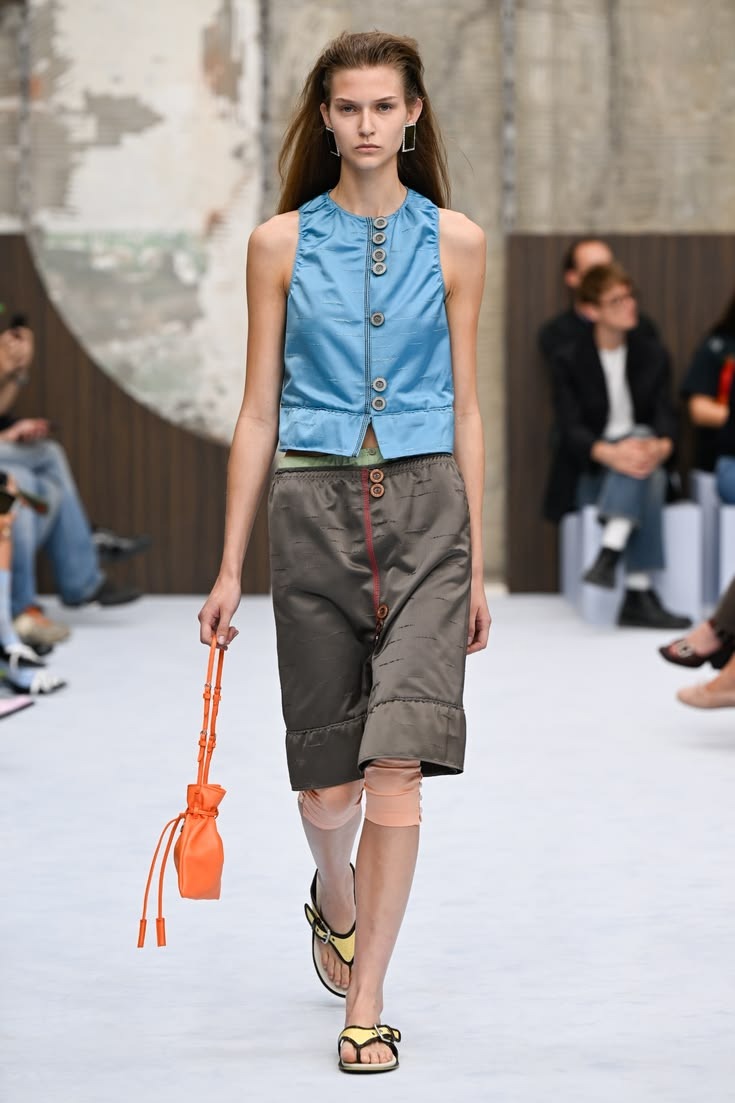
At Bottega Veneta, the house’s new creative direction continued to explore the relationship between Italian craftsmanship and modern wardrobe dressing. Louise Trotter brought an expressive approach to the collection, while the brand’s leather expertise remained central to its identity. The Milan season repeatedly demonstrated that leather and accessories do not need to function simply as finishing touches; they can be structural parts of a collection’s overall visual language.
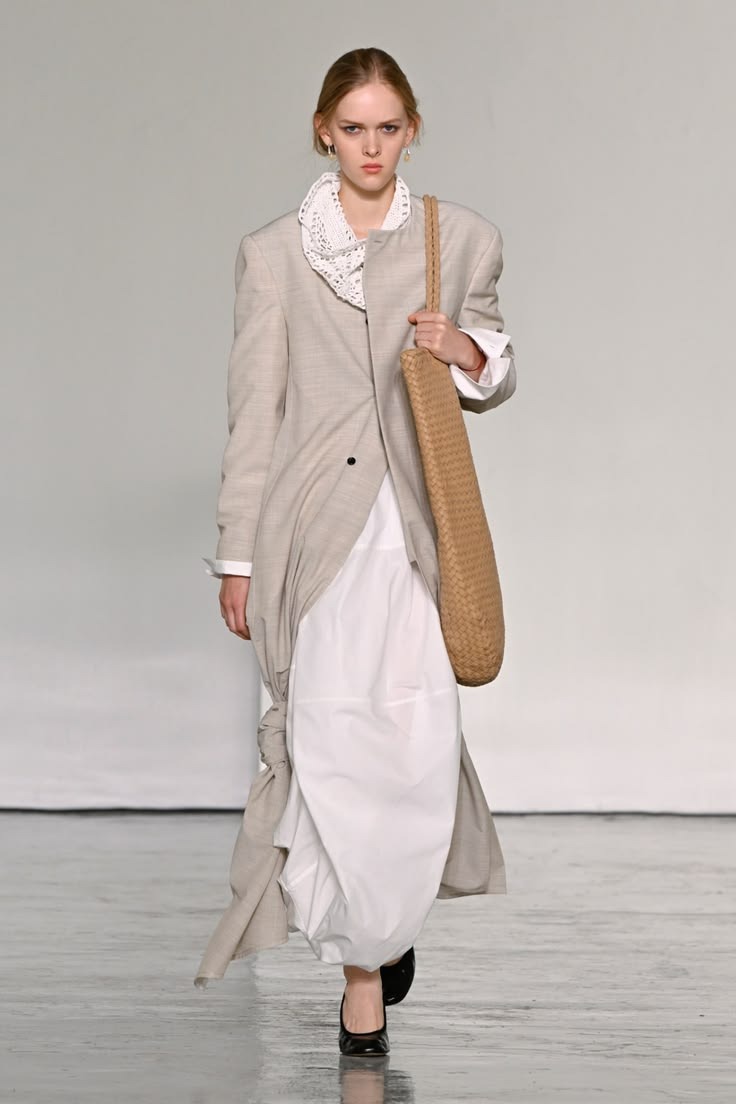
Ferragamo, under Maximilian Davis, also leaned into a sophisticated interpretation of glamour. The collection drew from 1940s-inspired skirt suits before moving into more provocative territory, including latex.
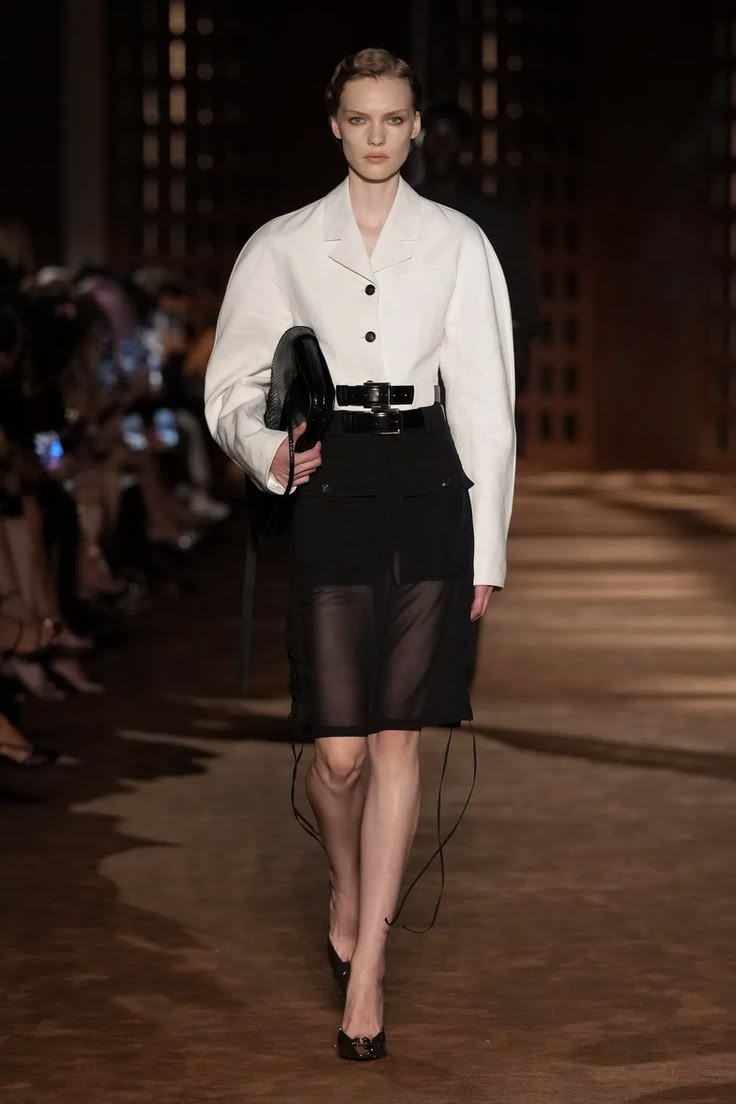
Paris Opens with Dior’s Softer New Direction
If Milan was about creative evolution, Paris pushed the conversation further. The official Spring/Summer 2027 calendar featured 68 shows and 33 presentations, with major houses including Dior, Chanel, Saint Laurent, Balenciaga, Loewe, Celine, Givenchy, Miu Miu, and Louis Vuitton. The season also included two major new creative-director debuts: Drew Henry at Courrèges and Kai Nesselrath at Carven, while several recently appointed designers entered their second or third seasons at major houses.
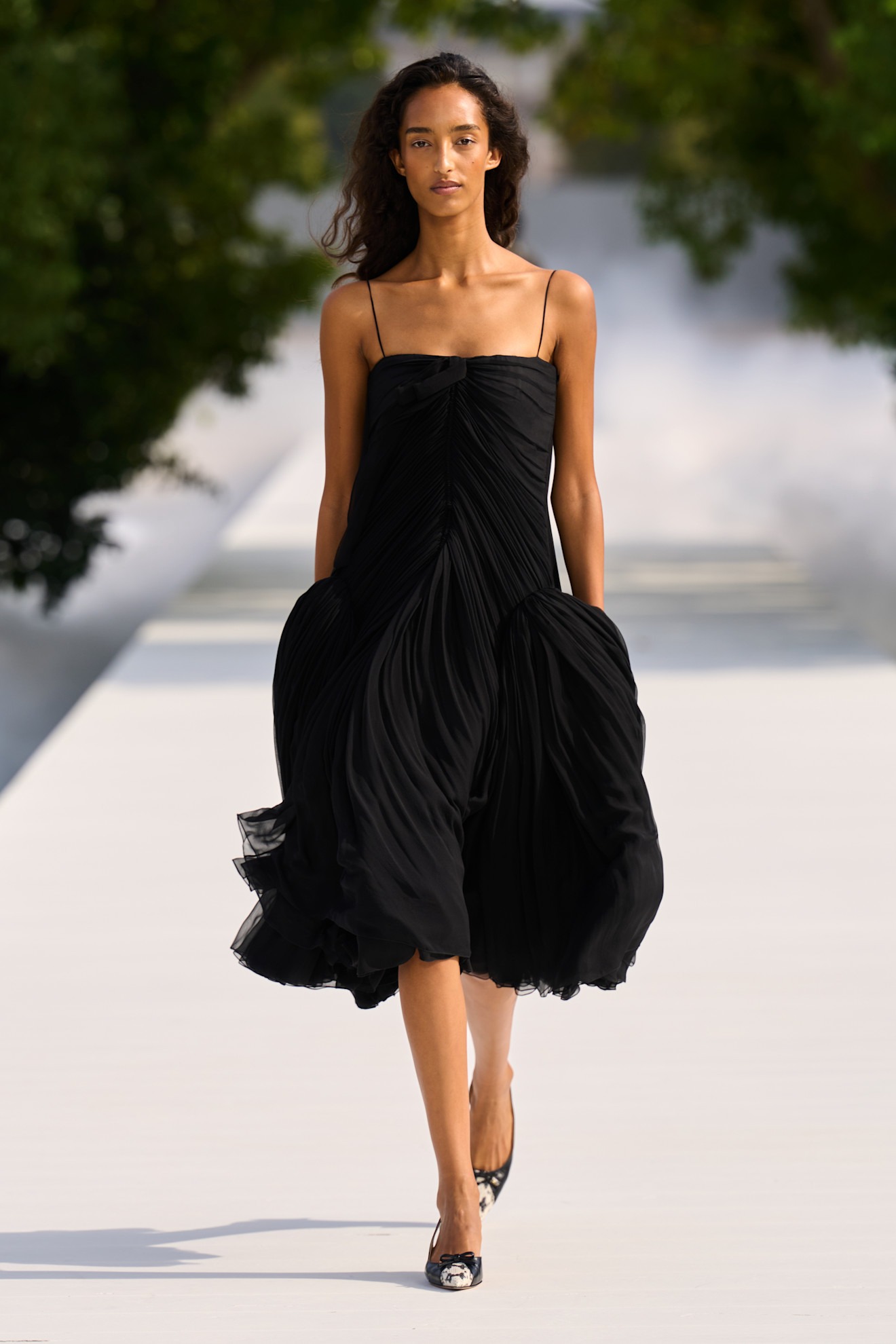
One of the earliest major highlights was Jonathan Anderson’s Dior. His Spring/Summer 2027 collection presented 65 looks on a misty runway built across the pond at the Tuileries Garden. Anderson moved away from Dior’s traditionally structured femininity, instead introducing a deliberately undone approach: shirts were left open or unevenly buttoned, bras appeared beneath jackets, tailoring became softer, and pajama-like details blurred the line between dressed and undressed.
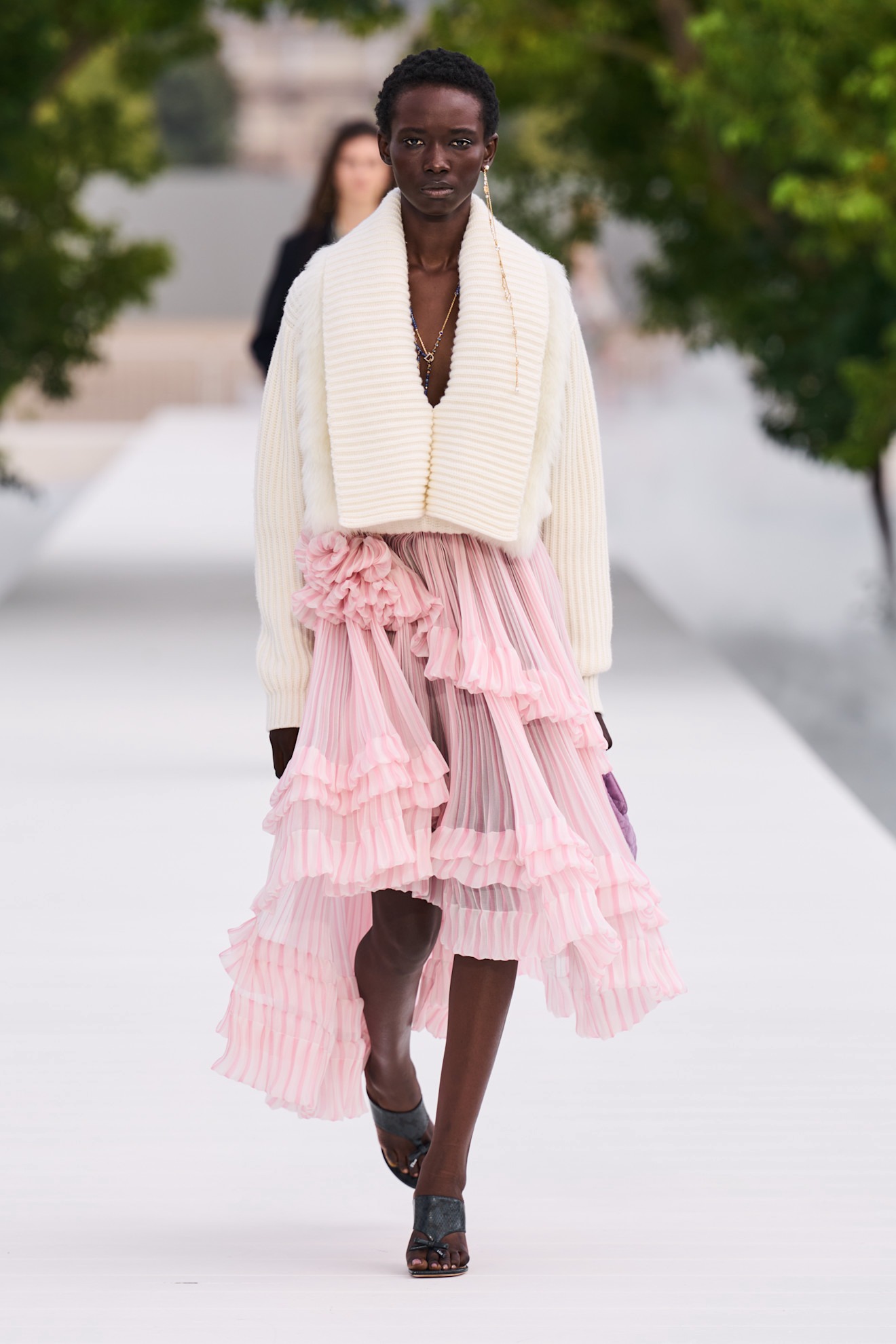
Yet the collection was not without references to Dior’s history. Anderson reinterpreted the Bar jacket, houndstooth, and the house’s famous Saddle bag. The result was a Dior wardrobe that felt lighter and less formal while still retaining visible connections to the house’s craftsmanship and recognizable sophistication.
Saint Laurent Brings Back Full-Scale Glamour
At Saint Laurent, Anthony Vaccarello delivered one of Paris’s most theatrical presentations. A glossy black runway, giant chandeliers, and the Eiffel Tower formed the backdrop for a collection drenched in gold. The effect was glamorous, reinforcing Saint Laurent’s long-standing relationship with sensuality, evening dressing, and dramatic silhouettes.
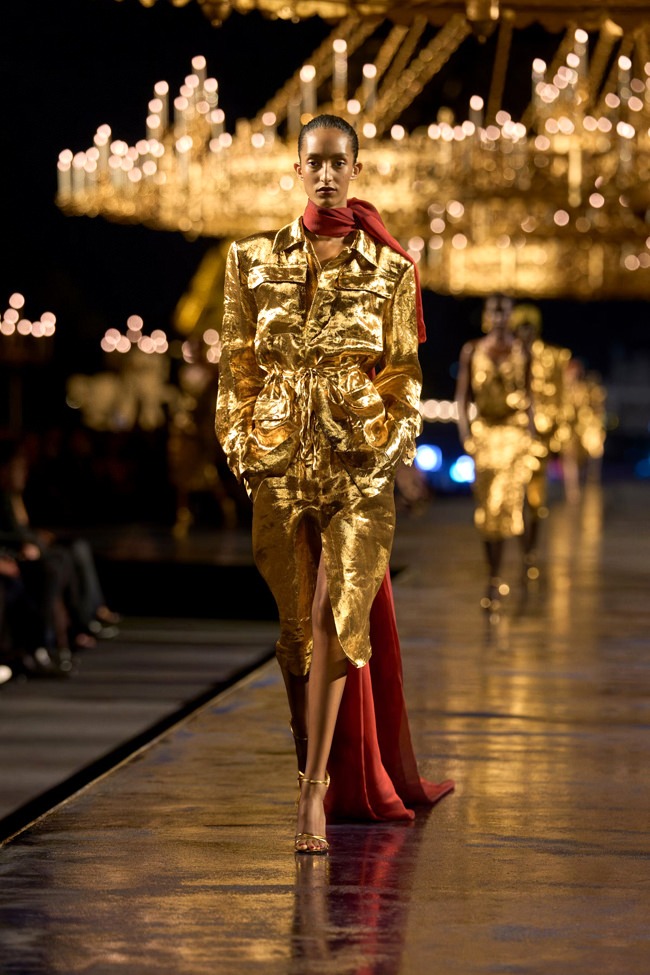
The collection also reflected a broader Parisian fascination with the body. Across the week, designers experimented with lingerie, sheer materials, exposed skin, and underwear-as-outerwear. Saint Laurent’s approach stood at the luxurious end of that spectrum, using metallic surfaces and dramatic construction to turn sensual dressing into spectacle. The show also carried additional industry interest because of speculation surrounding Vaccarello’s future at the house after a decade as creative director, making the presentation feel especially significant.
Balenciaga Turns Couture Techniques Into Everyday Pieces
One of the most compelling ideas to emerge from Paris came from Pierpaolo Piccioli at Balenciaga. For Spring/Summer 2027, Piccioli titled the collection “Les Coraux de la Liberté”, after a textile sculpture by French artist Aude Franjou. Instead of separating haute couture from ready-to-wear, he used couture techniques to transform everyday garments such as T-shirts, shirts, jeans, and bombers.
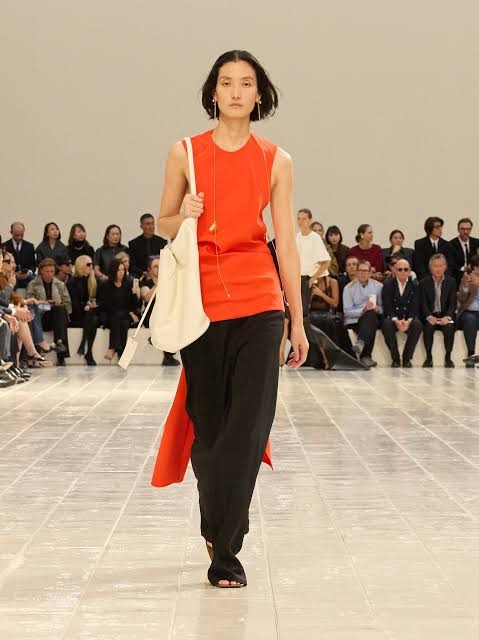
A simple white shirt was reshaped with a corseted waist and sculpted hem, jeans were cut on the bias to alter their fall, and rows of stitching transformed familiar garments into more architectural shapes. Lace, fringe, metallic paillettes, and vivid color added further dimension, while new leather bags—including the Nodo hobo and Silhou Tote—continued the collection’s focus on softness, draping, and craftsmanship.
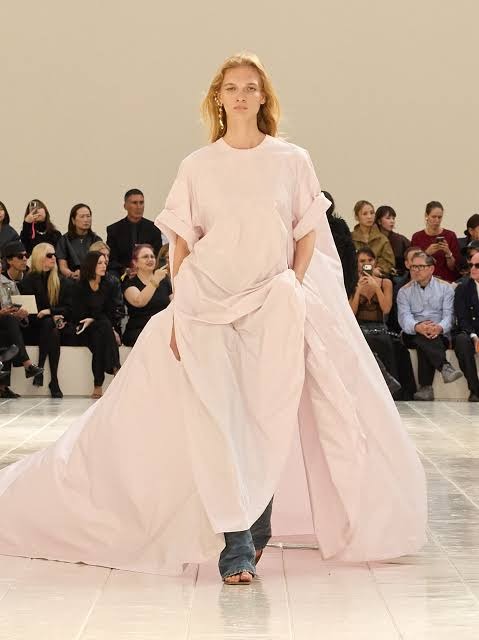
The collection was particularly relevant to the broader conversation around luxury. At a time when consumers are increasingly questioning the value of expensive fashion, Piccioli’s answer was to make the craftsmanship itself visible. The message was simple: the value of a garment can come from the skill, construction, and human intervention behind it—not only from its logo or status.
Loewe, Valentino and the Return of Personal Expression
At Loewe, co-designers Jack McCollough and Lazaro Hernandez brought some of their New York sensibility to the Spanish house. Their Spring/Summer 2027 collection combined American sportswear with Spanish drama, drawing on 1990s references.
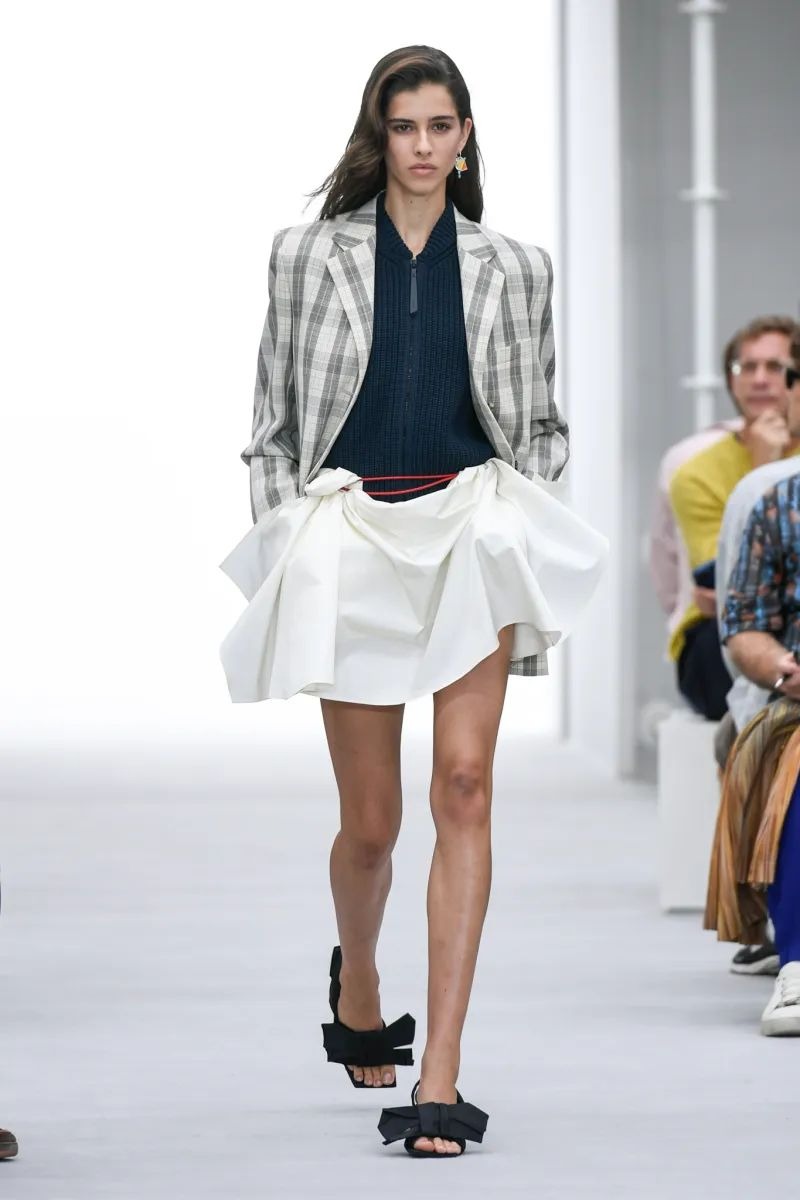
The collection’s “old world meets new world” idea was particularly visible in its mix of relaxed staples and more sculptural shapes. The designers also worked with Loewe’s reputation for exceptional leather craftsmanship, allowing accessories and leather pieces to sit naturally within the wardrobe rather than functioning as separate statements.
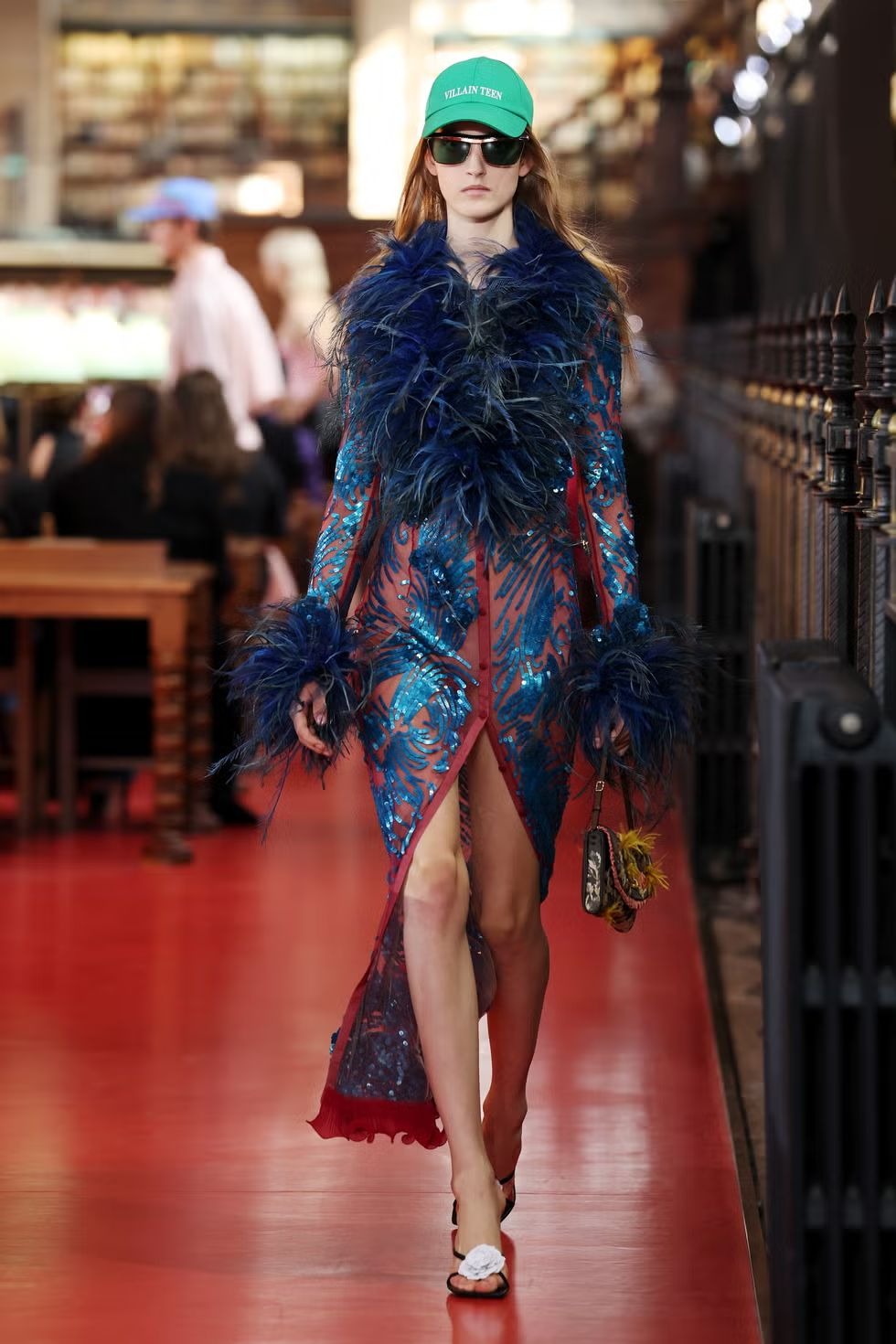
Valentino, under Alessandro Michele, went in a much more maximalist direction. Staged inside the historic Bibliothèque Sainte-Geneviève, the show—titled “Antibiblioteca”—combined brightly colored silk corset tops, contrasting skirts, strapless dresses, lace, ostrich-feather trims, oversized pearl earrings, and elaborate gold jewelry.
Paris Continues to Redefine Luxury Through Craftsmanship
Dries Van Noten, under designer Julian Klausner, approached glamour through unexpected layering: sequined blouses over casual shirts, cocktail dresses over rugby tops, and evening pieces mixed with everyday garments.
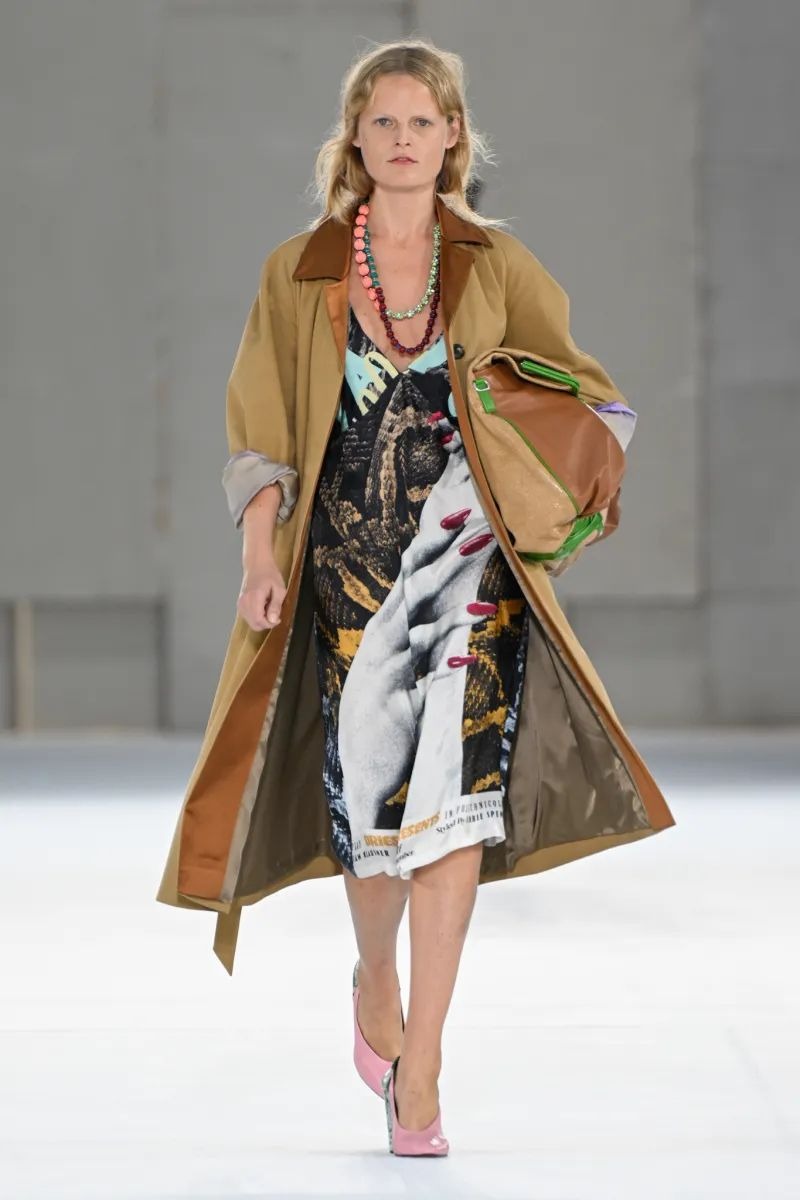
At Hermès, Celine, and Givenchy, the focus remained closer to refined craftsmanship and wearable luxury. Celine’s Michael Rider continued establishing his direction for the house, while Hermès maintained its connection to sophisticated materials and practical elegance. Their presence reinforced one of Paris’s most enduring strengths: the ability to make craftsmanship feel desirable without requiring theatricality.
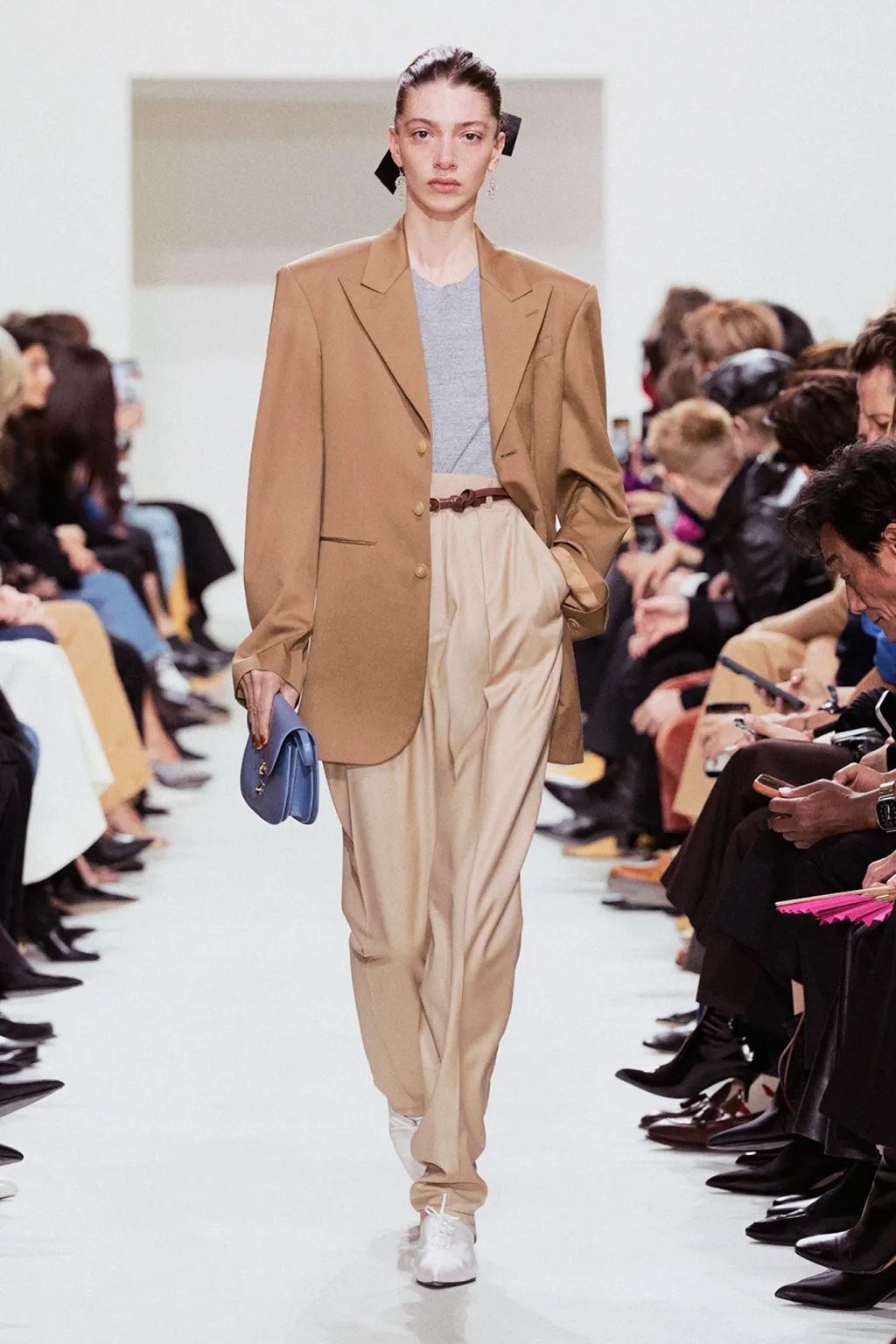
Meanwhile, Miu Miu provided one of the season’s more unexpected casting moments when Oscar-winning actress Olivia Colman walked the Spring/Summer 2027 runway alongside Emma Corrin and other familiar faces. Colman appeared in a leather skirt suit and flats, adding another layer to Miuccia Prada’s long-standing interest in challenging conventional ideas of who belongs on a runway.
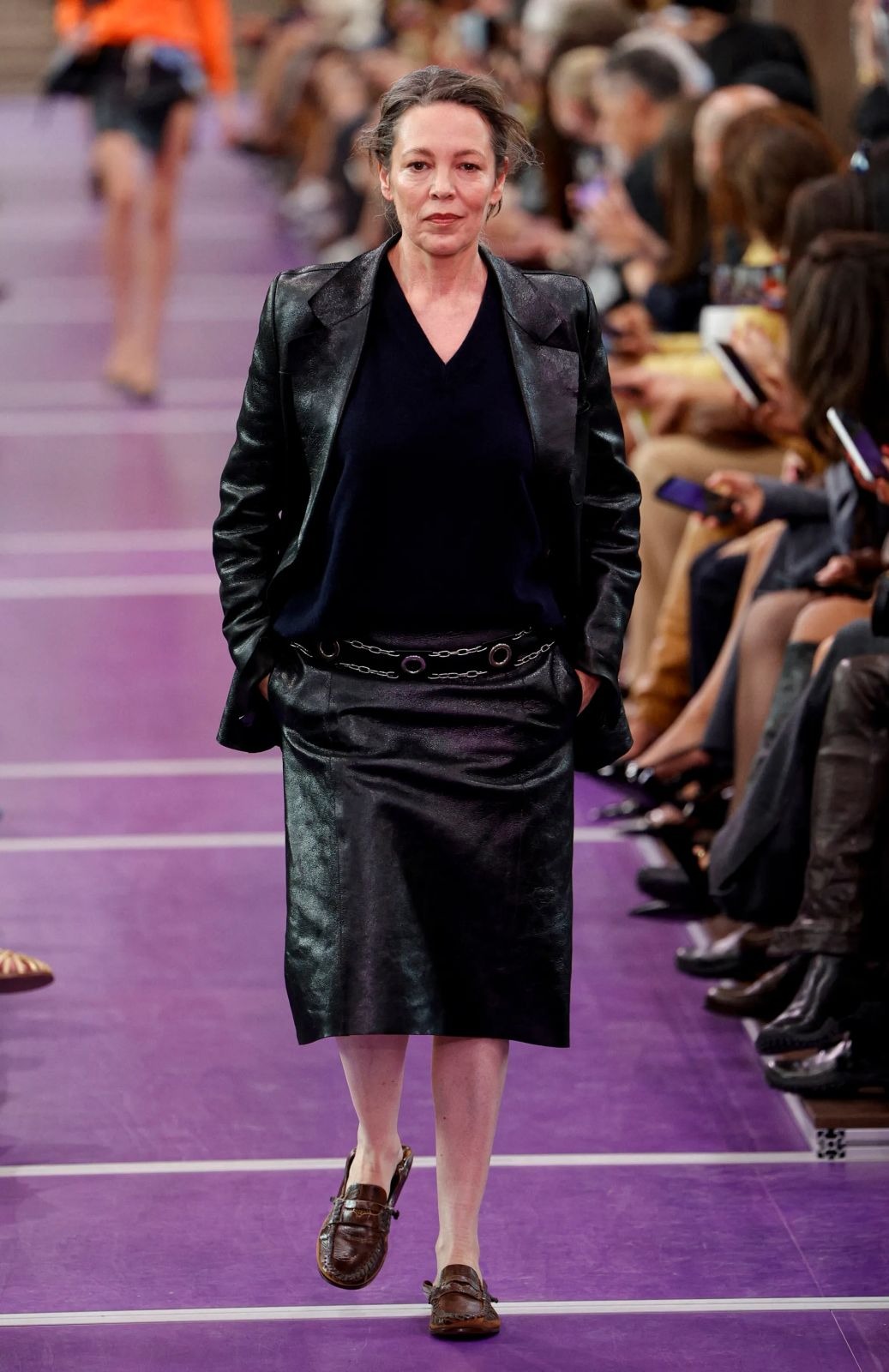
From Milan’s celebration of craftsmanship and evolving creative leadership to Paris’s collision of couture technique, glamour, sensuality, and everyday dressing, Spring/Summer 2027 has been defined by reinvention rather than one single dominant trend.
The runway may set the direction, but great fashion lives beyond the show. If your favorite leather bags, shoes, wallets, or accessories have seen better days, Doctor Leather can help bring them back into rotation. From repair and restoration to color changes, leather and lining replacement, hardware work, sole replacement, stitching repair, suede cleaning, and authentication, give your well-loved pieces the expert care they deserve.
Visit us at: Abreeza Mall, Ayala Bacolod, Ayala Center Cebu, Alabang Town Center, Eastwood, Market Liberty-Evia Lifestyle Center, Glorietta 5, Greenhills, Greenbelt 5, Mitsukoshi BGC, Ayala Malls Solenad, SM Aura, SM City Baguio, SM City BF Parañaque, SM Fairview, SM Mall of Asia, SM Megamall, SM North EDSA, SM City Pampanga, SM City Iloilo, The Mall | NUSTAR Cebu, Trinoma, U.P. Town Center.
See you there!