

The counterfeit market in 2026 isn’t just growing, it’s also evolving with precision. What used to be easy to spot has now become increasingly difficult to question. Today’s fakes are not only visually convincing, they are strategically produced, globally distributed, and backed by systems that mirror legitimate supply chains.
According to the Entrupy State of the Fake Report 2026, a clear shift is evident: counterfeit goods are no longer random imitations—they are calculated products designed to pass.
To understand how to protect yourself today, it’s important to look at where fakes are most concentrated, what items are most targeted, and how the global landscape is changing.
The Most Targeted Brands: Familiar Names, Higher Risks
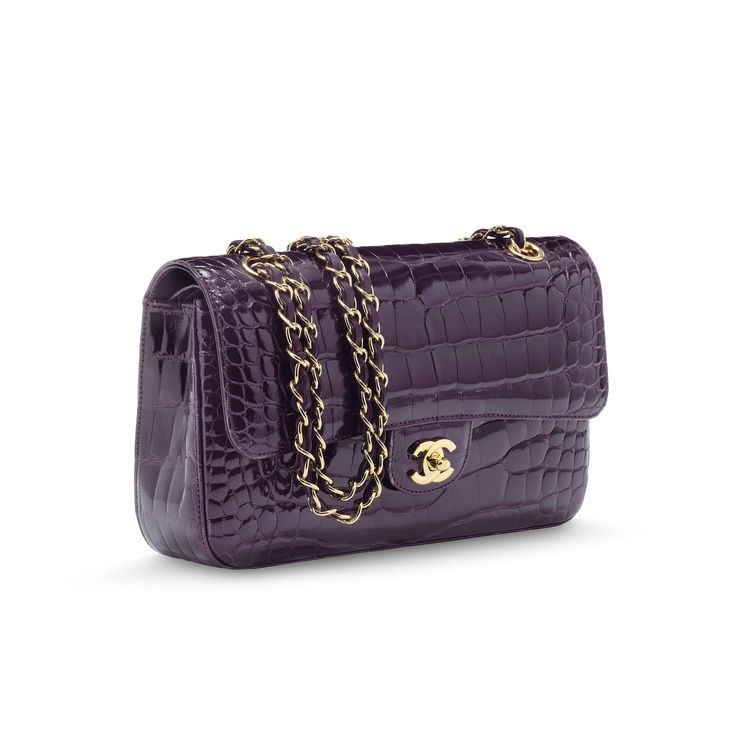
One of the strongest indicators from Entrupy’s report is that counterfeit activity continues to concentrate around the world’s most recognizable luxury brands. High-demand names such as Louis Vuitton, Gucci, Prada, Chanel and Dior remain among the most frequently replicated—not because they are easy to copy, but because they are consistently in demand.
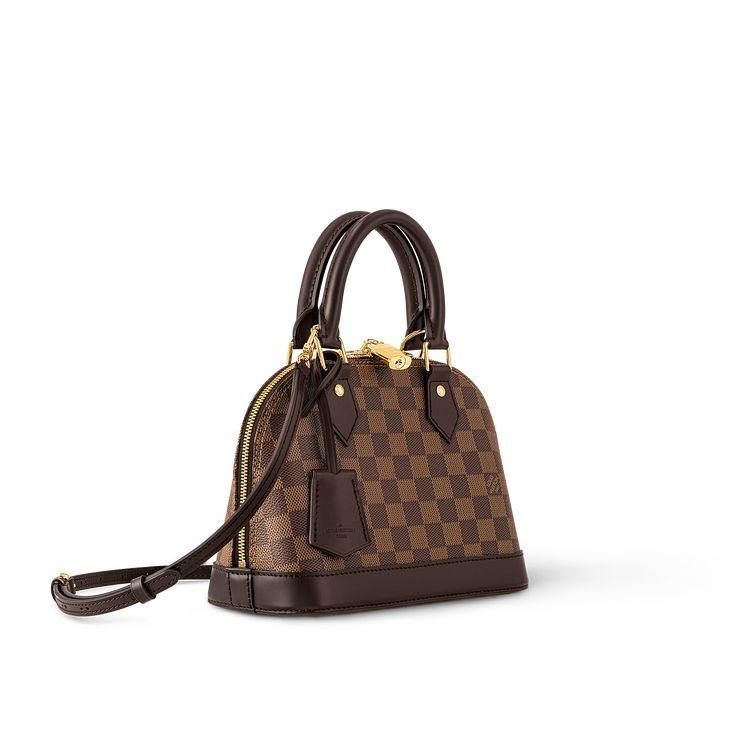
These brands have established visual identities that are widely recognized, making them prime targets for counterfeiters aiming to produce items that sell quickly and convincingly.
What’s changed in 2026 is the level of accuracy. Replicas are no longer “inspired by”—they are engineered to closely match proportions, materials, and finishing details.
For buyers, this means that popularity now comes with higher risk. The more iconic the piece, the more likely it has been replicated at a high level. Authentication is no longer a precaution—it’s a necessary step, especially for widely circulated designs.
High-Value Targets: Where the Stakes Are Highest
The report also highlights a growing trend toward counterfeiting high-value items. Some of the most expensive authenticated pieces processed by Entrupy in 2026 include premium Hermès bags, rare Chanel classics, and limited-edition Louis Vuitton releases.
These are not entry-level luxury goods—they are investment pieces. And as their value increases, so does the incentive to replicate them.
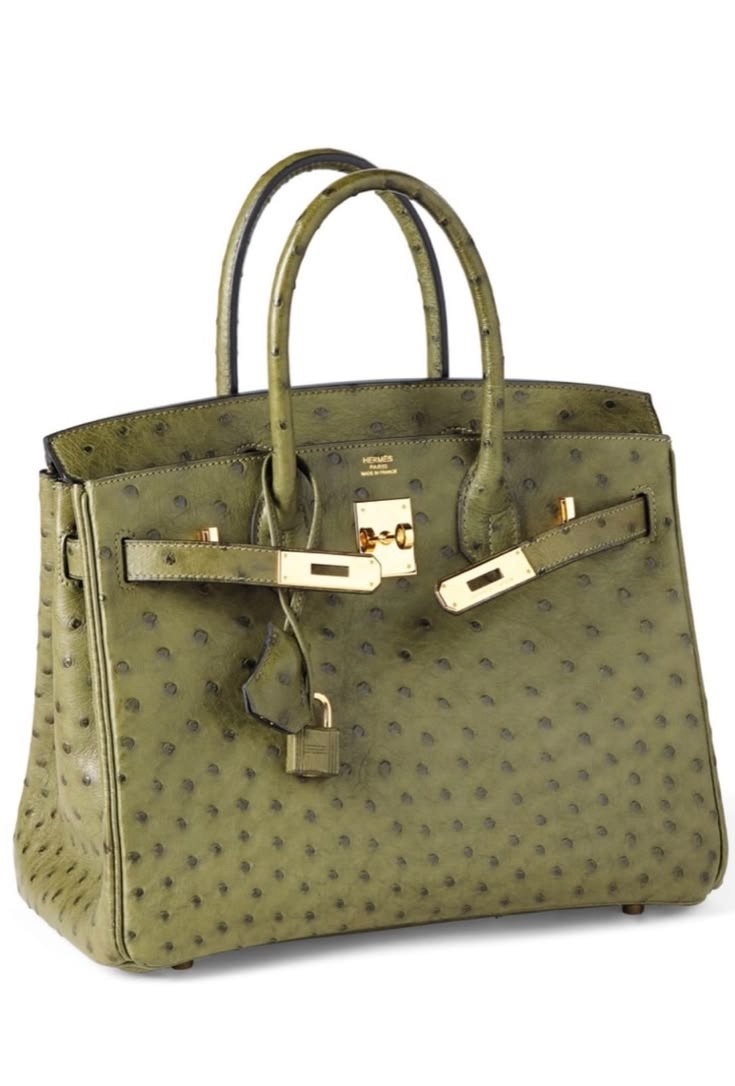
Counterfeiters are no longer focusing solely on volume—they are targeting value. A single convincing fake of a high-ticket item can generate significant returns, making these pieces a priority in counterfeit production.
For collectors and buyers, this raises the stakes. The higher the value of the item, the greater the need for verified authentication. Doctor Leather’s Entrupy-powered service is designed exactly for this level of scrutiny—ensuring that even the most valuable pieces are properly assessed.
Regional Spotlight: Asia-Pacific’s Growing Role
The Asia-Pacific region continues to play a significant role in the global authentication landscape. According to the report, this region sees a high volume of authentication requests, reflecting both strong demand for luxury goods and increased awareness around counterfeits.
With major urban centers acting as hubs for both retail and resale activity, the circulation of luxury items—authentic and counterfeit alike—has intensified.
This growth is not just about volume, but about movement. Items are bought, sold, and traded across borders more frequently, making it harder to trace origin and verify authenticity through documentation alone.
The Rise of “Authentication Before Purchase”
A notable behavioral shift highlighted in the report is the increasing number of consumers seeking authentication before completing a purchase. This reflects a growing awareness: buyers are no longer waiting to confirm authenticity after the fact. Instead, they are integrating verification into the buying process itself.
This shift is especially relevant in online transactions, where physical inspection is limited. Without the ability to examine an item firsthand, buyers are turning to authentication services as a decision-making tool—not just a safety net.
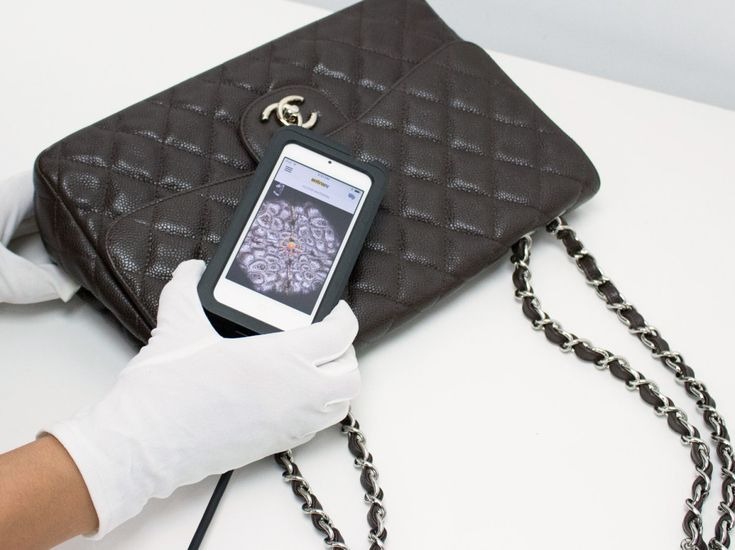
Doctor Leather supports this approach by offering reliable authentication, giving customers confidence for their pieces.
Data Over Instinct: Why Technology Leads in 2026
Perhaps the most defining takeaway from Entrupy’s State of the Fake Report 2026 is the transition from instinct-based checks to data-driven authentication.
Entrupy’s system uses microscopic imaging and artificial intelligence trained on millions of data points, allowing it to detect patterns and inconsistencies invisible to the human eye.
This represents a fundamental shift in how authenticity is determined. It’s no longer about what looks right, it’s about what can be verified through measurable data.
For customers, this means fewer uncertainties and more reliable outcomes—something that manual inspection alone cannot guarantee.
The 2026 counterfeit landscape is not defined by obvious fakes—it’s defined by convincing ones. From high-demand brands to high-value items, from regional growth to shifting buyer behavior, every insight points to one reality: authenticity can no longer be assumed.
But while fakes have become smarter, so have the tools designed to detect them.
At Doctor Leather, our authentication service powered by Entrupy brings this advanced technology directly to you—combining AI-driven analysis with expert evaluation to deliver results you can trust.
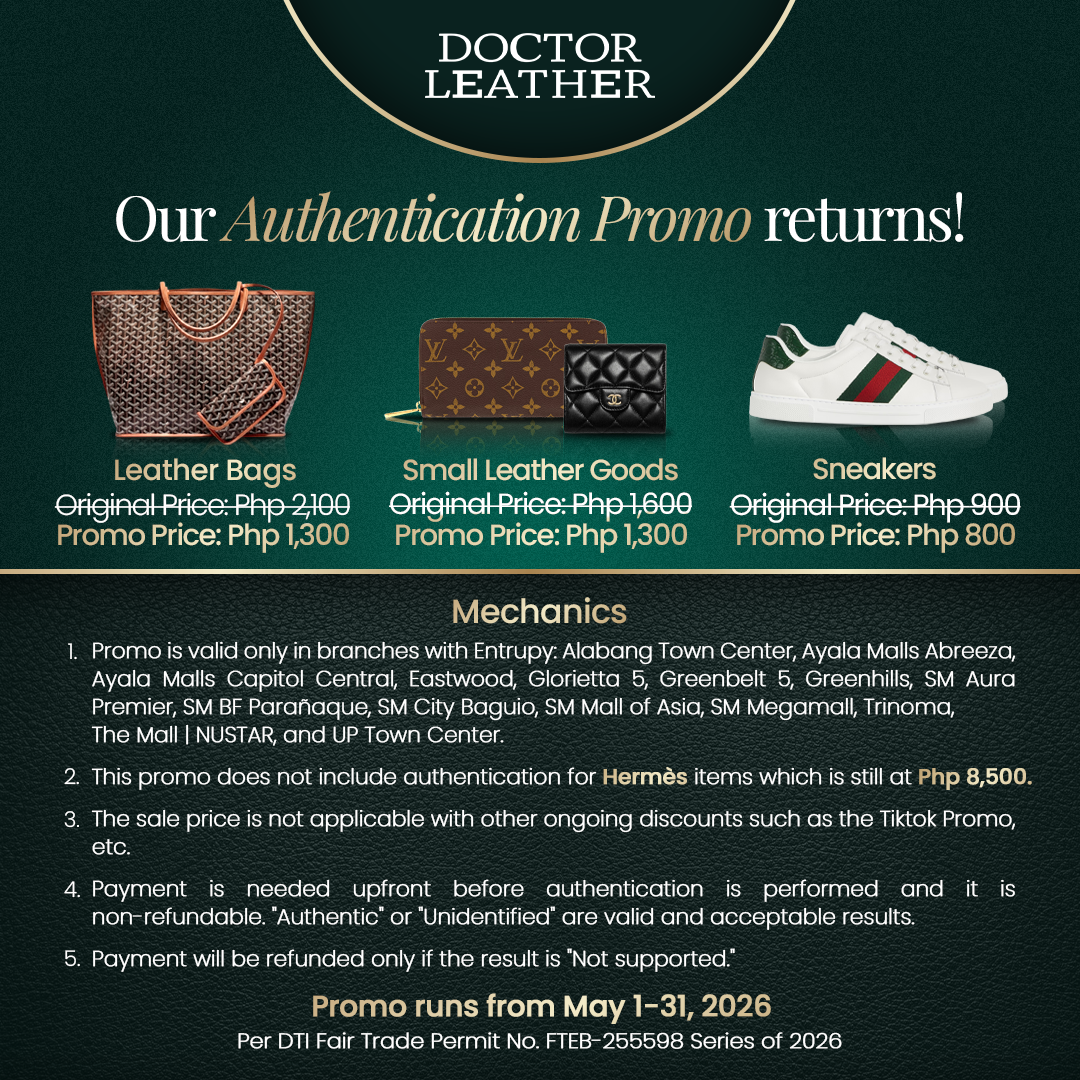
This May, take advantage of our Authentication Promo and have your items verified at a special rate. Whether it’s a luxury bag, a pair of sneakers, or a valuable addition to your collection, knowing it’s real makes all the difference.
Visit our branches with Authentication: Alabang Town Center, Ayala Malls Abreeza, Ayala Malls Capitol Central, Eastwood, Glorietta 5, Greenbelt 5, Greenhills, SM Aura Premier, SM BF Parañaque, SM City Baguio, SM Mall of Asia, SM Megamall, Trinoma, The Mall | NUSTAR.