

Typhoon season brings more than heavy rain. Rising humidity, sudden changes in temperature, power interruptions, and prolonged periods indoors can all create conditions that are less than ideal for leather goods. Even if your bags, shoes, and small leather accessories never come into direct contact with floodwater or rain, the environment around them can quietly affect their condition.
The good news is that protecting your collection doesn’t require complicated routines or expensive equipment. A few thoughtful precautions before and after a storm can go a long way in preventing issues that are often difficult—or even impossible—to reverse. Whether you own one cherished designer bag or a growing collection, preparing for typhoon season is simply another way to help your leather stay in excellent condition.
Prepare Before the Storm, Not After
When severe weather is expected, most people naturally focus on keeping themselves and their homes safe. Once those priorities are taken care of, it’s also worth checking where your leather pieces are stored.
Avoid placing bags and shoes directly on the floor, especially in areas that may be vulnerable to leaks or minor flooding. Instead, keep them on elevated shelves or inside well-ventilated cabinets. If you store pieces in their original boxes, make sure the boxes themselves are kept away from damp surfaces, as cardboard easily absorbs moisture and can transfer it to the leather over time.
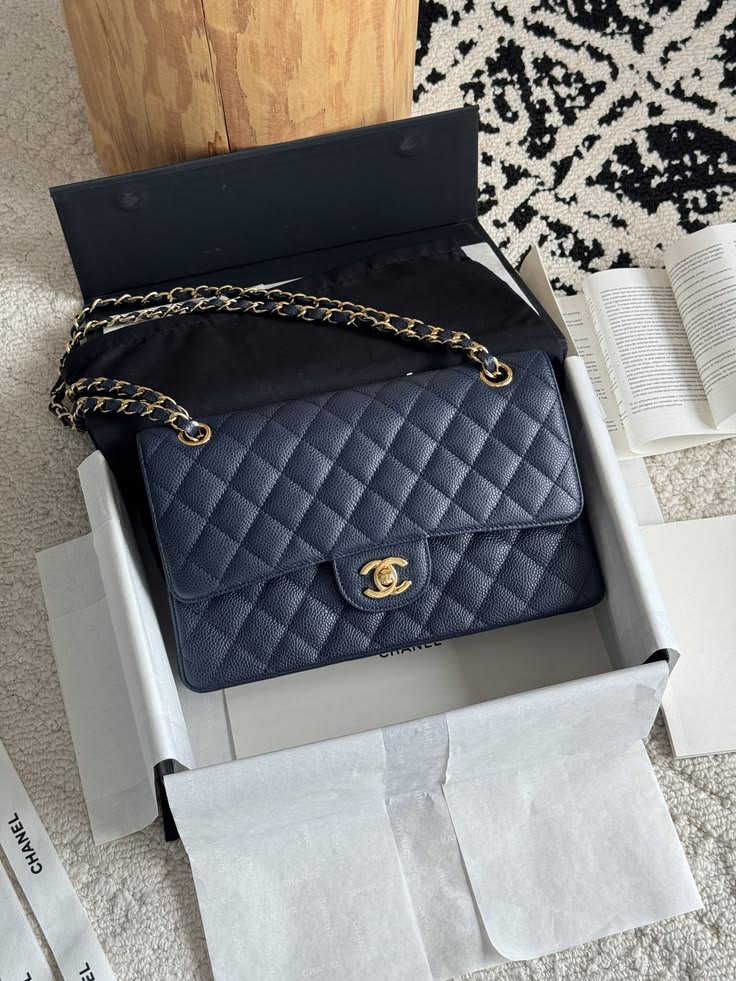
Image Source: https://pin.it/4bg0OXldW
A quick inspection before a storm arrives can help prevent unnecessary exposure to moisture later on.
Your Closet Can Become a Humidity Trap
One of the biggest misconceptions is that keeping leather inside a closet automatically protects it from bad weather. During the rainy season, enclosed storage spaces can actually trap humid air, especially if they remain closed for long periods.
Without proper airflow, moisture lingers around leather, creating an environment where mold, mildew, unpleasant odors, and adhesive deterioration can gradually develop. These changes happen slowly, often without obvious warning signs until the damage becomes noticeable.
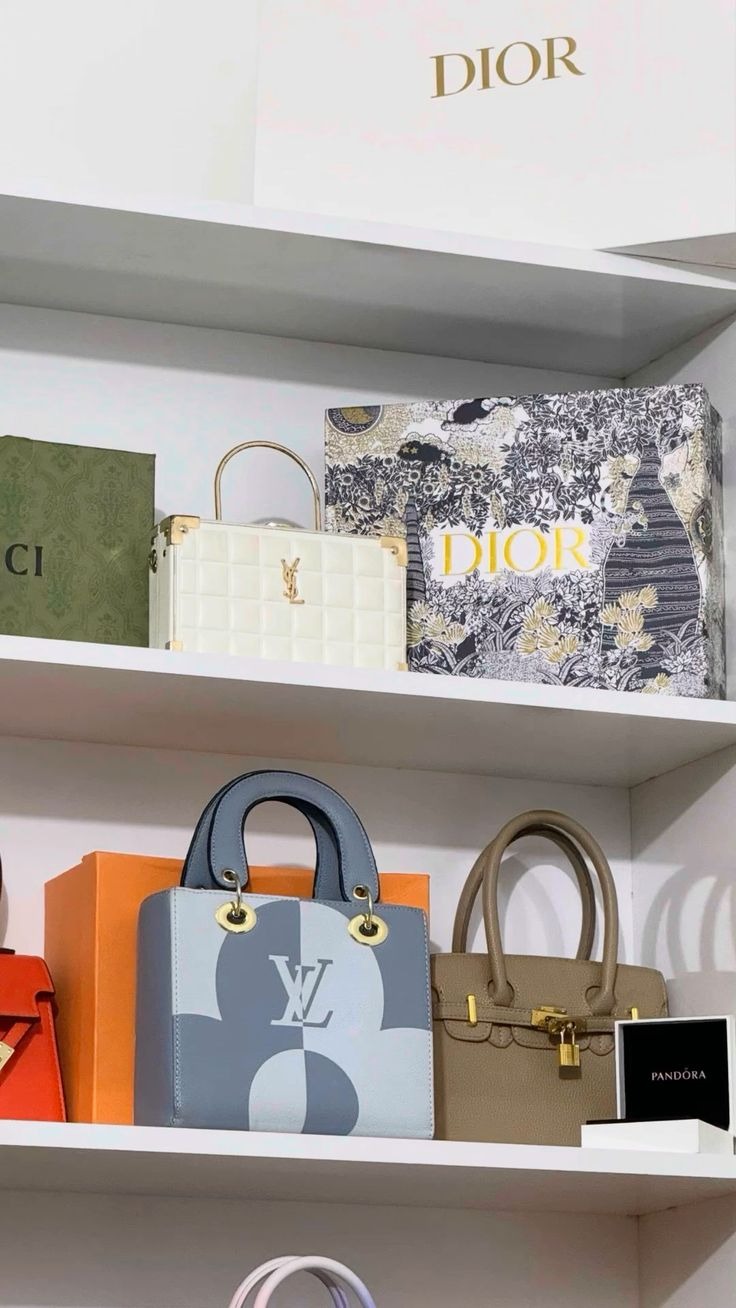
Simple habits—such as occasionally allowing air to circulate through your storage area or using appropriate moisture-control products—can help maintain a healthier environment for your collection throughout the rainy season.
Don’t Rush to Dry Wet Leather
If your leather does get caught in unexpected rain, resist the urge to speed up the drying process.
Hair dryers, direct sunlight, heaters, or placing leather near electric fans with concentrated heat may seem like quick solutions, but they can remove moisture too rapidly. This sudden loss of moisture may cause leather fibers to stiffen, shrink, crack, or lose their natural flexibility.
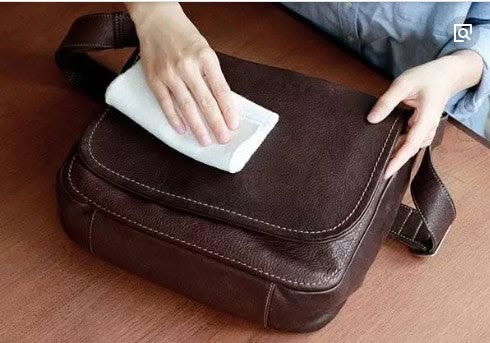
Image Source: https://pin.it/1dW9ezSO5
Instead, gently blot away excess water using a clean, dry cloth and allow the item to dry naturally in a cool, well-ventilated area. Once fully dry, the leather may still benefit from professional conditioning to restore the moisture balance that keeps it supple.
Pay Attention to Hardware and Hidden Areas
After rainy weather, most owners naturally inspect the visible surfaces of their bags or shoes. However, some of the first signs of moisture damage appear in places that are easy to overlook.
Metal hardware can begin developing early signs of oxidation. Interior linings may trap moisture longer than exterior leather. Stitching, piping, corners, and handles often retain humidity even after the surface feels dry.
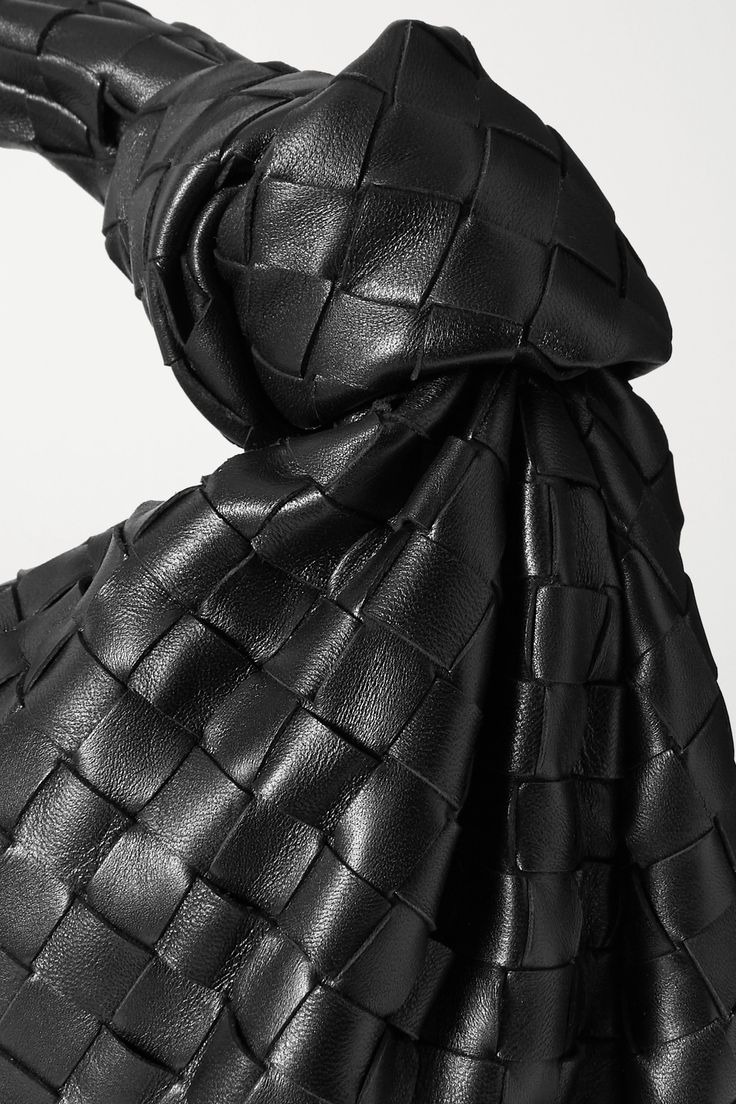
Taking a few extra moments to inspect these hidden areas allows you to catch small issues before they become more serious repairs. Preventive attention is often far easier than corrective restoration.
After the Weather Clears, Give Your Leather a Check-Up
Once a typhoon has passed, it’s worth spending a few minutes assessing your frequently used pieces.
Look for changes such as:
- A musty smell
- Slight discoloration
- Softened or misshapen leather
- Sticky hardware
- Damp linings
- White residue or tiny spots that may indicate early mold growth
Even if your leather appears unaffected, a seasonal inspection helps identify subtle changes that may not yet be visible. Addressing these early helps preserve both appearance and structural integrity.
Typhoon season is unpredictable, but caring for your leather doesn’t have to be. Small preventive steps before severe weather and careful attention afterward can significantly reduce the long-term effects of humidity and moisture on your favorite pieces.
If your leather has been exposed to the rainy season—or if you simply want the reassurance that it’s ready for the months ahead—Doctor Leather is here to help. From professional cleaning and conditioning to mold treatment, restoration, and structural repairs, our specialists provide expert care tailored to every piece.
Visit your nearest Doctor Leather branch and let our team assess your bags, shoes, wallets, and other leather essentials. Visit us at: Abreeza Mall, Ayala Bacolod, Ayala Center Cebu, Alabang Town Center, Eastwood, Market Liberty-Evia Lifestyle Center, Glorietta 5, Greenhills, Greenbelt 5, Mitsukoshi BGC, Ayala Malls Solenad, SM Aura, SM City Baguio, SM City BF Parañaque, SM Fairview, SM Mall of Asia, SM Megamall, SM North EDSA, SM City Pampanga, SM City Iloilo, The Mall | NUSTAR Cebu, Trinoma, U.P. Town Center.
See you there!